Health
The story of global health in the last decades is the story of staggering inequality. Our health programs focus on improving access to essential medical services, nutrition, and life-saving interventions for communities affected by crisis across Central Africa.
Our 2030 goal: 50 million people worldwide can access quality health services, and 30 million women can get reproductive health services.
Our objectives
- Improve access to essential medical services and nutrition
- Deliver life-saving health interventions in crisis-affected areas
- Support host, displaced and returned populations
- Strengthen district health systems and community care
Programs
- Localized nutrition and health assistance for crisis-affected populations
- Emergency health and nutrition response for displaced and host communities
- Life-saving health interventions in violence-affected areas
- Community health outreach and care
Departments
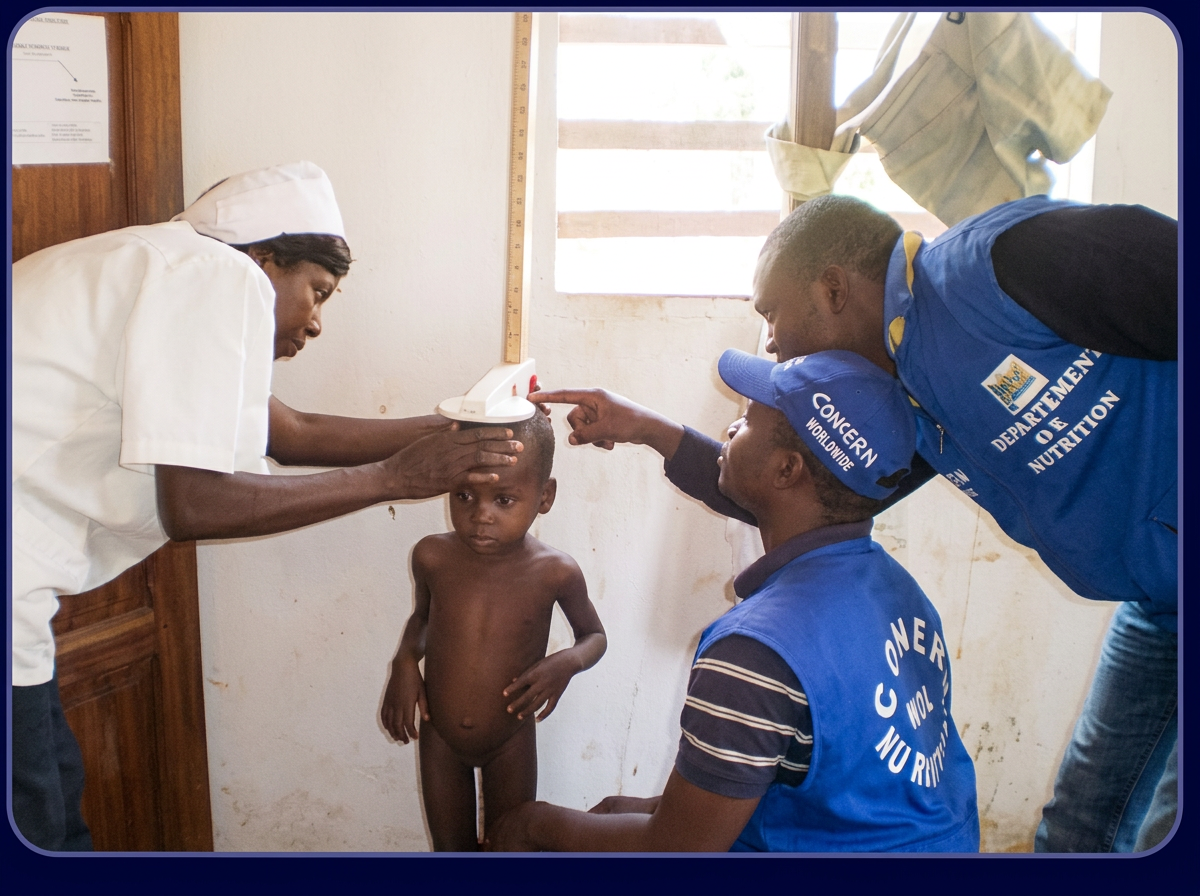
Nutrition Department
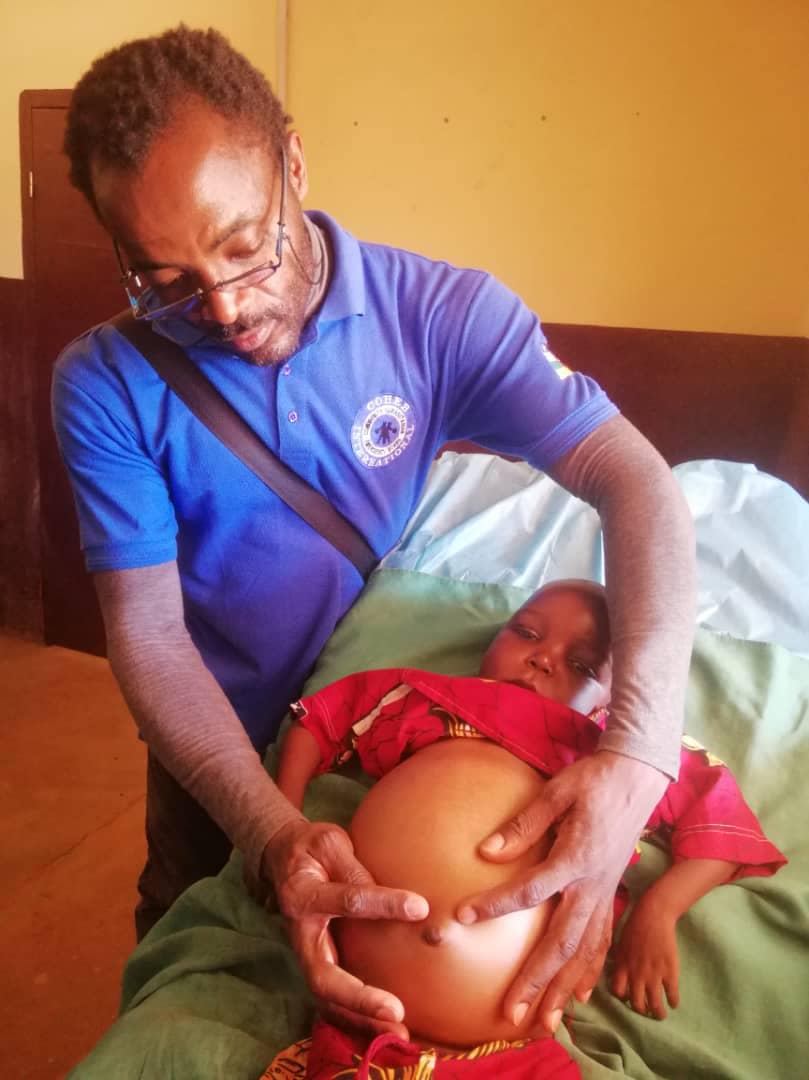
In partnership with Ministries of Health, the Food and Agriculture Organization, WHO, UNICEF and the World Food Programme, responding to the severe malnutrition crisis among internally displaced persons and refugees. Roughly 1 in 5 children under five dies of severe malnutrition in the nations where we work — every donation helps our nutrition team alleviate this excessive maternal and neonatal mortality.
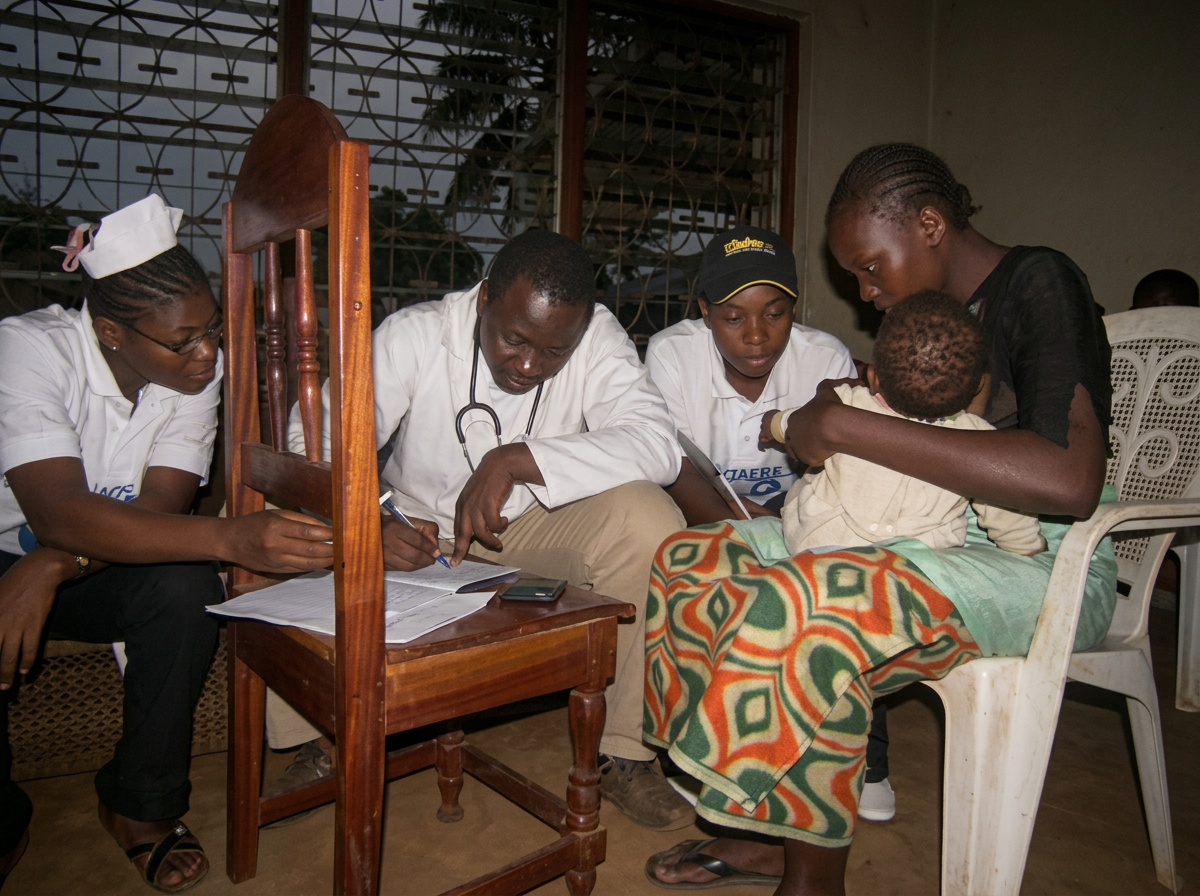
Health Care Services Department
Covers community health, maternal and infant health care, HIV/AIDS and sexual health, reproductive health, psycho-social health care, and care for survivors of rape and violence — delivered through medical units, medical missions, mobile clinics and first aid posts, in partnership with Ministries of Health, the World Health Organization, and UNFPA.
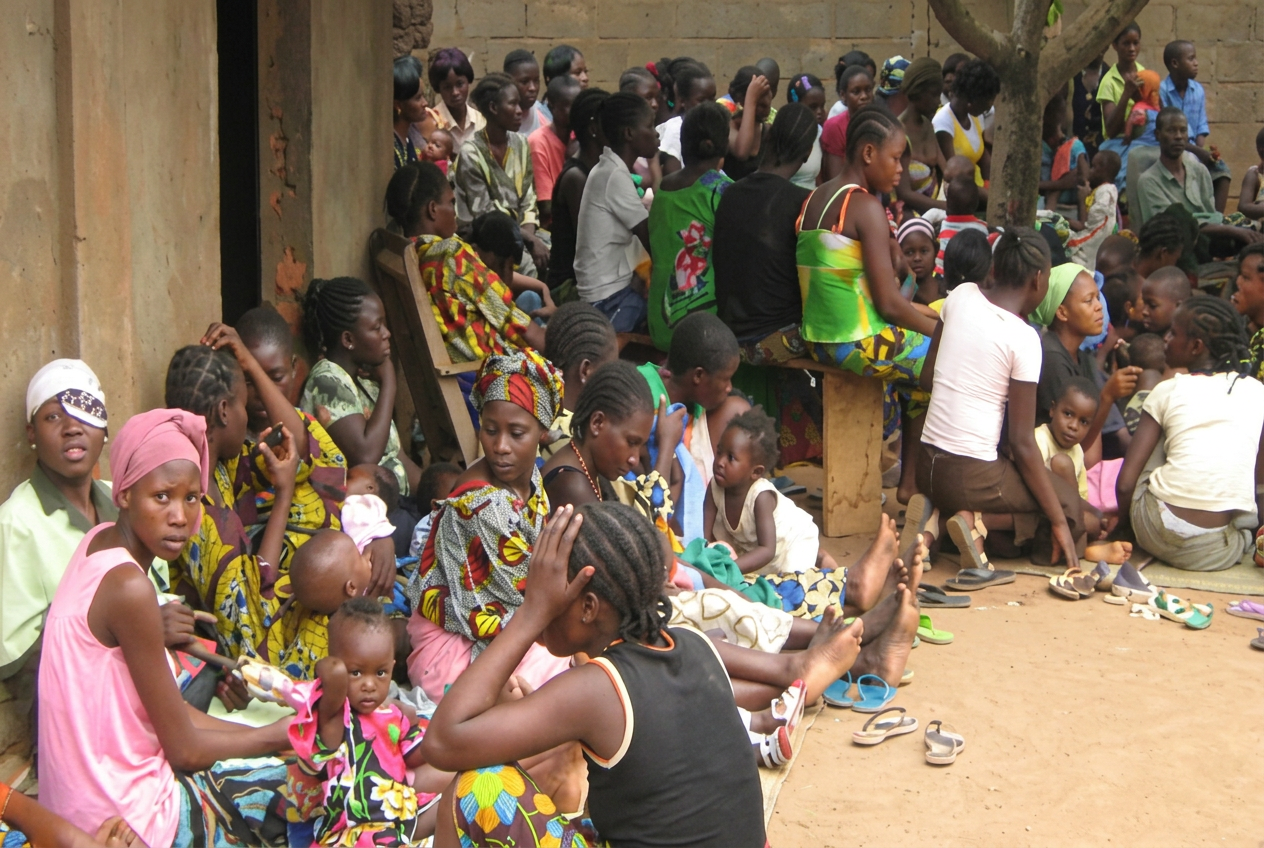
Psycho-Social Department
A complete human being is spirit, soul and body. While our other health departments apply physical and psychological care — fighting malnutrition, caring for pregnant women, fighting epidemics, AIDS and sexual diseases — the Psycho-Social Department goes further, adding moral and spiritual care. This care benefits not only the people we serve but also our own staff, making them more effective in responding to humanitarian tasks and challenges.
Why this matters
The story of global health in the last decades is the story of staggering inequality. In countries lacking adequate resources, 20 in 1,000 (1 in 49) women die from a maternal cause — in the Central African Republic, 1 in 17 women will die while giving birth.
Global health problems are compounded by a lack of access and infrastructure. Through our Right to Health strategy, we aim to help those most in need access quality healthcare by strengthening local health systems and community-based organizations, supporting at-risk communities — especially adolescents — to exercise their right to health, increasing access to quality health services in humanitarian crisis zones and fragile settings, and preparing for and responding to public health emergencies by leveraging our long-term relationships with governments, front-line health workers, and communities.
From the field
Related projects
All projectsStand with communities on the frontlines.
Your support powers the mobile clinics, safe spaces, schools, and farms our teams deliver every day.